All orders over $159 qualify for FREE SHIPPING! Shipping holiday notice: Our facilities will be closed for shipping the week of June 29.

Get 10% Off plus 1lb of Free Ground Beef on every order when you use Subscribe and Save at Checkout!

More than just a burger: The Parsons Creek family guide to an unforgettable Fourth of July BBQ

written by

Jordan Ems

posted on

July 2, 2025

farmer-grilling.jpg

The Parsons Creek family guide to an unforgettable Fourth of July BBQ

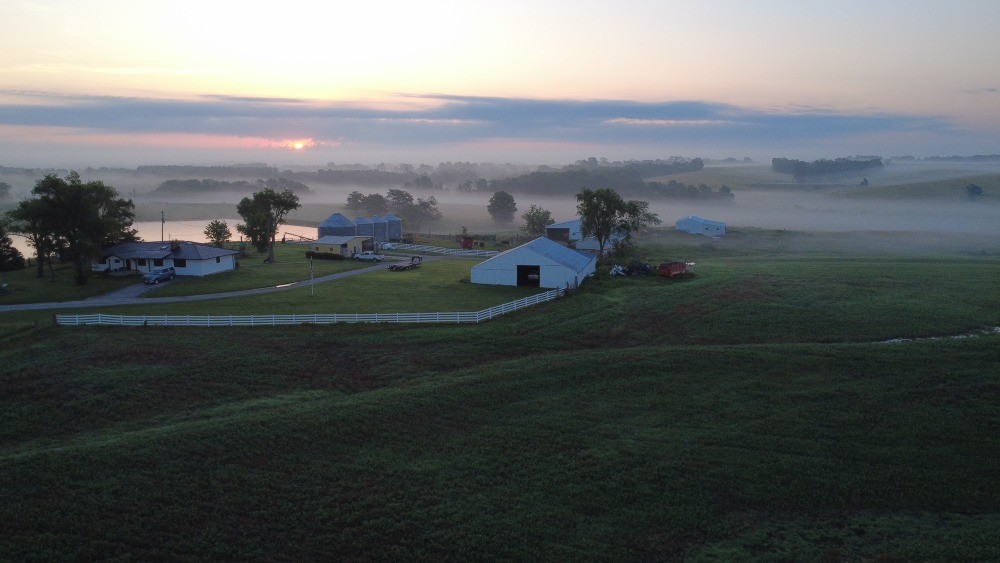
As the fifth generation to work this land, we've spent countless hours watching our Angus cattle graze these Missouri pastures, but some of my favorite moments happen around our family's grill every Fourth of July.

There's something magical about the Fourth of July in northern Missouri. The summer air carries the scent of fresh-cut grass from our pastures, and you can hear the distant sound of fireworks echoing across the rolling hills. For five generations, the Parsons Creek family has celebrated America's birthday the same way – surrounded by family, grateful for this land we call home, and gathered around a grill covered with the finest beef our pastures can provide.

Growing up on the farm, we learned that great beef isn't just about genetics or pasture management (though those matter plenty). It's about the memories you create when that beef brings people together. Whether it's my Uncle Jimmy teaching my cousins how to flip a burger without losing the juices or my Papa perfecting her brisket technique, every cookout is a chance to pass down something special.

This year, I want to share our family's definitive guide to creating an unforgettable holiday cookout. These aren't just recipes – they're traditions that have been tested around our table for generations. And at the heart of every single one is the premium beef that we've poured our lives into raising.

drone-cows-fog.jfif

The Foundation: Our Kansas City BBQ Bundle (Sale running through the end of July) 

When we put together our Kansas City BBQ Bundle, we weren't just thinking about variety – we were thinking about creating the perfect foundation for memories. With premium steaks, fresh ground beef for burgers, tender kabob meat, and slow-cooked brisket all in one package, you've got everything you need to turn your backyard into the kind of place where stories get told and traditions get made.

This bundle represents the best of what our pastures have to offer. These aren't just any cuts – they're made from cattle that have spent their entire lives grazing freely on our rolling pastures, under sunny skies, breathing fresh air. When you bite into any piece of our beef, you're tasting the difference that comes from generations of careful stewardship and a deep respect for both the land and the animals we raise.

Each cut has its own personality on the grill or smoker, from cattle whose bloodlines are as rich as ours. We know their lineage, we've watched them grow, and we've cared for them with the same attention we give our own family. When you serve Parsons Creek beef at your Fourth of July gathering, you're not just serving dinner – you're sharing a piece of our family's heritage with yours.

Recipe #1: Great-Grandma's "Never Fail" Burgers

From the Family Vault: My Great-Grandma always said the secret to a perfect burger wasn't in what you added – it was in what you didn't mess with. These burgers showcase exactly what makes our ground beef special – the rich, clean flavor that comes from cattle raised on open pasture.

Ingredients:

  • 2 lbs Parsons Creek ground beef (from your KC BBQ Bundle)
  • Coarse sea salt
  • Fresh cracked black pepper
  • Your favorite burger fixings

Advice from Great Grandma:

  1. Don't overthink it. Form loose patties, about ¾ inch thick. Make a small dimple in the center with your thumb – this prevents the dreaded burger dome. Our ground beef holds together beautifully because of the natural fat content from pasture-raised cattle.

  2. Season simply. Salt and pepper both sides just before they hit the grill. Grandma used to say, "The beef should taste like beef, not like a spice cabinet." When your beef is this good, simple is best.

  3. Hot and fast. Get your grill screaming hot. 4-5 minutes per side for medium. And here's the cardinal rule Grandma drilled into all of us: never, ever press down on the burger. You're just squeezing out all the good stuff – and with our premium beef, there's a lot of good stuff to lose.

  4. Let them rest. Just like a steak, let those burgers sit for 2-3 minutes before serving. This allows the juices to redistribute throughout the meat.
  5. Add Nanny Pat's home-grown homemade pickles, and you are in for the most amazing burger summer has to offer! 

Family Tip: "If you want cheese, add it in the last minute of cooking and close the lid. Creates the perfect melt without overcooking the beef. And with beef this flavorful, you don't need much else."

Recipe #2: Papa’s Sunday Brisket (The Family Favorite)

The Story: Papa (my grandpa) has been making this brisket for every major family gathering for over twenty years. He always says the secret isn't in fancy techniques or complicated rubs – it's starting with brisket from cattle that lived their whole lives on open range and good grass. The marbling and flavor that comes from our pasture-raised beef make all the difference in creating something truly special for the people you love.

Ingredients:

  • 1 whole Parsons Creek brisket (3-4 lbs from your bundle)
  • 2 tbsp brown sugar
  • 2 tbsp paprika
  • 1 tbsp garlic powder
  • 1 tbsp onion powder
  • 1 tbsp chili powder
  • 2 tsp salt
  • 1 tsp black pepper
  • 1 tsp cumin

Papa’s Method:

  1. The night before: Mix all your dry ingredients. Coat that brisket like you mean it – every inch should be covered. The natural texture of our grass-fed beef holds seasoning beautifully. Wrap it in plastic and let it sleep in the fridge.

  2. Low and slow is the only way to go. 225°F on your smoker or grill. If you're using a gas grill, set it up for indirect heat and use a drip pan. Our brisket has the perfect fat content for long, slow cooking – it won't dry out like grain-fed beef can.

  3. Time is your friend. Plan for about 1.5 hours per pound. Yes, it's a commitment. Yes, it's worth it. The superior marbling in our beef means incredibly tender, flavorful results.

  4. The stall is real. Around 150°F internal temp, the meat will seem to stop cooking. Don't panic, don't turn up the heat. This is where the magic happens – and where the quality of your beef really shows.

  5. Know when to wrap. Once you hit 165°F internal, wrap in butcher paper (foil works too). This pushes through the stall and keeps things moist.

  6. Rest is not optional. When it hits 195-203°F internal, pull it off and let it rest in a cooler for at least an hour.

Family Tip: "Start your brisket at sunrise. That way, you're a hero by dinnertime, not scrambling at midnight. And with beef this good, people will remember this meal for years."

Recipe #3: Mom's Famous Steak Kabobs (The Crowd Pleaser)

Why We Love Them: Perfect for feeding a crowd, and everyone gets to customize their own stick. The kabob meat in our bundle is cut from premium steaks – it's not scraps or tough cuts. You'll taste the difference in every bite.

Ingredients:

  • 2 lbs Parsons Creek kabob meat (pre-cut from your bundle)
  • 2 bell peppers (any color), cut in chunks
  • 1 large red onion, cut in chunks
  • 1 pint cherry tomatoes
  • 8 oz mushrooms, halved

Mom's Marinade:

  • ½ cup olive oil
  • ¼ cup soy sauce
  • 2 tbsp Worcestershire
  • 3 cloves garlic, minced
  • 2 tbsp brown sugar
  • 1 tsp dried thyme

The Process:

  1. Marinate like you mean it. Mix up that marinade and let the beef soak for at least 2 hours, up to overnight. Our tender, well-marbled beef doesn't need long marinades to be flavorful, but it does absorb flavors beautifully.

  2. Assembly matters. Thread beef and veggies alternating. Don't pack them tight – everything needs room to cook evenly. The uniform size of our kabob cuts ensures even cooking.

  3. Two-zone grilling. Start over direct heat for 2-3 minutes per side to get those grill marks, then move to indirect heat to finish cooking through.

  4. Internal temp is your guide. Pull them at 130°F for medium-rare, 140°F for medium. Premium beef like ours is best served medium-rare to medium to showcase its natural flavor and tenderness.

Family Tip from Nanny: "Soak your wooden skewers for at least 30 minutes. Nothing ruins a cookout like flaming kabob sticks. And don't be afraid to cook these medium-rare – the quality of our beef means it's safe and delicious."

Family-Tested Grilling Tips That Actually Matter

From Christian:

"Salt early, cook hot, rest always." These three rules will improve your grilling more than any fancy gadget. Salt draws out moisture initially, then draws it back in with flavor. High heat creates the crust everyone loves. And resting redistributes all those juices – especially important with premium beef like ours that has so much natural flavor to preserve.

From Papa:

"Your grill grates are seasoning tools." Clean them, oil them, and get them hot before anything touches them. A well-maintained grate will give you better flavor than any marinade. When you're working with beef this good, you want clean, pure flavors.

From Mom:

"Cook with your nose, not just your eyes." You can smell when proteins are developing that perfect crust. Trust your senses – they've been perfected over years of cooking. Premium beef smells different as it cooks – richer, more complex.

From Nanny:

"Room temperature meat is happy meat." Take your beef out of the fridge 30-45 minutes before grilling. Cold meat hitting a hot grill creates uneven cooking. This is especially important with high-quality beef, where you want even, perfect cooking throughout.

From Jordan (that's me):

"Invest in a good thermometer and use it." Guessing is gambling with good beef. Know your temps, nail your doneness every time. When you're cooking beef this premium, precision matters.

Creating Memories, One Meal at a Time

Here's what I've learned in my years on this ranch and around our family table: the best cookouts aren't remembered for perfect grill marks or competition-level grill lines. They're remembered for the stories shared while the brisket smoked, the laughter that erupted when someone's kabob fell through the grates, and the quiet satisfaction of watching four generations gathered around the same picnic table.

But here's the thing – When you start with beef that's been raised with care, handled with respect, and delivered with pride, you're creating the foundation for something special. There's a deep sense of tradition that comes from knowing where your food comes from and who raised it.

We've been farming and ranching for generations, preserving the land and fostering a sense of community here in northern Missouri. When you choose our Kansas City BBQ Bundle, you're not just buying beef – you're supporting a small family farm that's been rooted in northern Missouri soil for five generations. You're investing in sustainable farming practices that care for the land as much as the animals. And you're helping ensure that future generations will be able to experience the same connection to the land and the food it provides.

Our cattle are raised on pasture where they graze freely, with access to diverse grasses, fresh air, and blue skies. The taste of humanely and ethically raised beef  – we are confident you will certainly taste the difference in every recipe in this guide.

This Fourth of July, don't just grill dinner. Create the kind of meal that becomes a memory, the kind of gathering that becomes a tradition, and the kind of experience that reminds everyone why coming together around great food is one of life's simple pleasures. When you serve Parsons Creek beef, you're not just feeding your family – you're creating moments that will be talked about and remembered for years to come.

From our pasture to your table, from our family traditions to yours – here's to a Fourth of July that tastes as good as it feels.
drone-north-farm-fog.jfif

Ready to create some memories of your own? Check out our Parsons Creek Steak Stars and Stripes sale section.  This is your ticket to becoming the grill master your family talks about for years to come. Because at the end of the day, that's what great food is really about – bringing people together and creating memories that last a lifetime.

More from the blog

The Newest Members of the Parsons Creek Family

The Newest Members of the Parsons Creek Family There's a sound on the farm these days that didn't used to be there. It starts before the sun is fully up, drifting across the pasture on the same cool morning air that carries the smell of dew on tall grass and the distant lowing of our Black Angus herd. It's cheerful and busy and a little bit chaotic — and it fits right in out here. Pasture-raised chickens have come to Parsons Creek. If you've been following along on the blog, you know we've spent years talking about the "why" behind regenerative agriculture — the cover crops, the no-till drill, the rotational grazing, the mob grazing we're working toward. You know that healthy soil is the foundation of everything we do. Every decision we make on this farm traces back to one simple question: Does this build the soil or deplete it? Adding pasture-raised chickens? That was an easy answer. A Partnership as Old as the Prairie Long before any of us had a word for it, the land already knew how this was supposed to work. Picture the Great Plains before the plow, before the fence line, before the highway that cuts through what used to be endless grass. Enormous herds of bison thundered across those grasslands in tight groups, grazing intensively, moving on, fertilizing as they went — and right behind them, birds. Dozens of species pecking through the churned-up ground, scratching through the fresh manure, eating every grub and larvae and fly that dared to call that spot home. The grass recovered. The soil deepened. The whole system fed itself. That's not a coincidence. That's just nature doing what nature does. We've spent years trying to mimic that relationship on our farm with cattle — moving them through paddocks the way the bison moved through the plains, letting the land rest and recover before they return. What we didn't have was the second half of that equation; the birds. Now we do. The Soil Math I'll be honest — when people picture chickens on a farm, they picture a barnyard, a coop, and a pile of feed. Chickens, as an afterthought, tucked somewhere out of the way. That's not what we're talking about. Our chickens forage on pasture — real pasture, playing their own role in the health of our farm. Here's where it all comes together, and if you've been with us since the Tale as Old as Dirt days, this is going to feel familiar. Healthy soil isn't just dirt. It's a living thing — full of microorganisms, fungi, worms, and organic matter that work together to hold water, cycle nutrients, and grow grass that is genuinely, measurably more nutritious than what comes out of chemically treated ground. Our cattle graze their pastures in a managed rotation, depositing manure as they go. That manure is rich in nitrogen — the same nitrogen we'd otherwise have to bring in by truck and spray by machine. Our chickens are doing something remarkably similar. By scratching, foraging, and naturally spreading their own manure as they range, they are actively working the ground beneath them. They consume harmful insects and larvae, accelerate decomposition of organic matter, and distribute nutrients evenly across the soil. The microbes go to work on what's left. The grass comes back greener, denser, and more nutritious. The same principle is at work on both. Healthy soil → healthy pasture → healthy cattle and healthy chickens → healthy food on your table. No synthetic fertilizer needed. No pesticide to keep the fly population down. The farm provides what it needs, in the order it's always supposed to A Little House on the Parsons Creek Prairie There are mornings out here that stop you cold. The light comes sideways across the pasture, golden the way only early morning light in Missouri can be — the kind that makes the dew on the grass look like someone scattered diamonds across a green quilt that stretches all the way to the tree line. The cattle stand quiet in the distance, patient and unhurried, the way animals are when they are truly content. And now, up closer, there's a small riot of feathers moving through the field, heads bobbing, scratching, clucking in that conversational way chickens have. It looks like something out of a picture book. It looks like something a farmer's grandmother would recognize immediately. That's kind of the point. This is what farming looked like before we decided we could outsmart nature with chemistry. Mixed species, working together, each one doing its part, to ensure our land is healthier each year. Christian and Madison came back to the farm to do it the right way — which, as it turns out, is also the old way. We're just adding one more layer to what the land has always known how to do. What This Means for You When you choose Parsons Creek Steak, you're not just getting meat (though it's exceptional). You're choosing a philosophy. A farm that is actively, intentionally getting healthier every year. We are so proud to now offer both pasture-raised Black Angus beef and pasture-raised chicken from our farm. This is the meat we feed our own family. Our kids play in the same fields and pastures these animals roam. That's not a marketing line — that's just the truth. If it isn't good enough for our table, it doesn't leave this farm. The soil our cattle graze on is richer than it was five years ago. The pastures our chickens now forage through are going to be richer still. And that richness — that living, breathing, nutrient-dense foundation — is what ends up in the food that comes to your table. You can't fake that with a bag of fertilizer. You can't manufacture it in a lab. You build it the way our grandparents built it, the way the bison built it before them: by letting the land work the way it was designed to. The chickens know it. The cattle know it. The soil beneath our boots knows it. And now, so do you. Follow along on Facebook and Instagram for updates from the farm — we have a feeling the chickens are going to have a lot to say. Shop our pasture-raised Black Angus beef at parsonscreeksteak.com.

From Our Pasture to Your Pan: The Case for Making Tallow at Home

There's a quiet revolution happening in kitchens across the country, and it looks a lot like something your great-grandmother would recognize. People are setting aside the seed oils and reaching instead for something older, simpler, and more nourishing — beef tallow. Here at Parsons Creek Steak, we've been raising Black Angus cattle on the grasslands of northern Missouri for five generations. We know every pasture and the cattle that graze them. So when people started asking us about rendering tallow from our beef fat, we couldn't have been more thrilled. Because tallow isn't just a cooking fat — it's a way of honoring the whole animal, reducing waste, and connecting back to the kind of real-food traditions that built this country. Let me tell you why tallow deserves a permanent spot in your kitchen. What Is Tallow, Exactly? Tallow is simply rendered beef fat. "Rendering" is the process of slowly melting raw fat over low heat until the pure fat separates from any remaining tissue. What you're left with is a beautiful, creamy white cooking fat that solidifies at room temperature — shelf-stable, deeply flavorful, and incredibly versatile. That's it. One ingredient. No additives, no preservatives, no industrial processing. Just pure beef fat, rendered down to its essence. Why Tallow Is Having a Moment — and Why It Deserves One 1. This Is How People Cooked Before Processed Oils Took Over Before canola oil, before vegetable shortening, before seed oils became a supermarket staple, beef tallow was the fat American families cooked with every single day. McDonald's famously fried their original French fries in beef tallow — and food writers will tell you nothing has ever tasted quite the same since they switched. There's a reason this generation is rediscovering tallow. As people take a harder look at ultra-processed foods and unfamiliar ingredients, many are choosing to return to the foods their ancestors thrived on. Tallow fits squarely in that tradition — and it fits right alongside our family's mission of farming the way it's always been done. 2. The Source of the Fat Matters Enormously Not all tallow is created equal. Just like you wouldn't buy a mystery burger from an unknown source, you want to know where your cooking fat comes from. Our cattle are pasture-raised on the open grasslands of northern Missouri. They spend their days outside, in the sunshine, free from routine antibiotics and added growth hormones. The quality of an animal's life and diet directly affects the quality of its fat. Tallow rendered from well-raised, pasture-raised cattle is richer in fat-soluble vitamins like A, D, E, and K2. It contains higher levels of conjugated linoleic acid (CLA) — a beneficial fatty acid associated with a range of positive health effects. And it's loaded with oleic acid, the same monounsaturated fat celebrated in olive oil. When you render tallow from Parsons Creek Steak beef, you're not getting a commodity byproduct. You're getting the result of five generations of careful, intentional farming. 3. It's One of the Best Cooking Fats You Can Use From a pure cooking standpoint, tallow is exceptional. It has a smoke point of around 420°F — well above the temperatures needed for searing, frying, and roasting. Unlike many vegetable and seed oils, tallow remains stable at high heat and doesn't break down into harmful compounds. Want a perfect sear on a ribeye? Start with tallow. Making roasted potatoes with a crackling crust? Tallow. Frying eggs with rich, golden edges? Tallow. Wherever you'd normally reach for butter, olive oil, or vegetable oil, tallow is a worthy — and often superior — replacement. And the flavor. There's a depth and richness that tallow brings to food that's hard to put into words. It's beefy and savory without being overpowering. Once you've made potatoes roasted in tallow, you'll struggle to go back. 4. It's About Using the Whole Animal On a working family farm, waste is something we simply don't accept. When you raise an animal with care and intention, the way we do, you want every part of it to be used well. Rendering tallow is one of the most meaningful ways to do that. The fat that surrounds the kidneys — called leaf lard or suet — has historically been the most prized for rendering because it produces the purest, most neutral tallow. Rather than letting that go to waste, rendering it at home is a way of completing the circle. It's a practice that our grandparents and great-grandparents understood instinctively: respect the animal by using everything it provides. It's what we call nose-to-tail eating, and it's not just a trend — it's a philosophy of respect. 5. People Are Using It for a Lot More Than Cooking Here's something that might surprise you: tallow has become a darling of the natural skincare world. The fatty acid profile of beef tallow is remarkably similar to the oils naturally produced by human skin, which is why many people find it deeply moisturizing and gentle. A growing number of people are using it as a facial moisturizer, a lip balm base, a healing salve for dry or cracked skin, and even a hair treatment. If you're someone who reads ingredient labels on your skincare products and finds yourself overwhelmed by the list, tallow is about as simple as it gets: one ingredient, animal-derived, deeply traditional. How to Make Tallow at Home Using Parsons Creek Beef Fat Making tallow is a slow, simple process that rewards patience. Here's how to do it: What you'll need: Raw beef fat or suet from Parsons Creek Steak  A heavy-bottomed pot or slow cooker A fine-mesh strainer or cheesecloth Clean glass jars for storage Instructions: Step 1: Prepare the fat. If your fat has been frozen, thaw it completely in the refrigerator. Trim away any remaining meat or connective tissue, and cut or grind the fat into small, uniform pieces. Smaller pieces render more quickly and evenly. Step 2: Render low and slow. Place the fat in a heavy-bottomed pot or slow cooker on the lowest heat setting. You're not frying it — you're slowly coaxing the fat to melt away from any solids. Stir occasionally. This process takes 2 to 4 hours on the stovetop or longer in a slow cooker. You'll know it's ready when the fat is fully melted, the liquid is clear golden-yellow, and any remaining solids (called "cracklings") have sunk to the bottom and turned lightly golden. Step 3: Strain carefully. Pour the rendered fat through a fine-mesh strainer or cheesecloth-lined colander into clean glass jars. This removes any solids that could cause the tallow to spoil more quickly. Step 4: Cool and store. Let the jars cool at room temperature. As tallow cools, it will turn from golden to a beautiful creamy white. Store at room temperature for a few weeks, in the refrigerator for several months, or in the freezer for up to a year. Pro tip: Don't discard the cracklings! Season them with a little salt and enjoy them as a snack — they're the original pork rind, except made from beef. A Fat Worth Knowing There's something genuinely meaningful about making tallow at home. It connects you to a long tradition of resourceful, whole-food cooking. It puts a nourishing, stable fat on your counter that you made with your own hands from an animal you know was raised well. That connection between the farm and your table is exactly why we do what we do. Christian and Madison returned to this land to continue a fifth-generation legacy — not just to raise cattle, but to feed families with food they can trust. Tallow is one more way we can do that. If you're ready to try rendering your own tallow, we hope to be your first stop to make that dream a reality. And as always, if you have questions about our farm, our practices, or our products, we love hearing from you. From our pasture to your kitchen — thank you for being part of the Parsons Creek family. Shop our pasture-raised Black Angus beef at parsonscreeksteak.com and follow us on Facebook and Instagram for farm updates, recipes, and specials.

with customization by Taste Profit Marketing