The Food Pyramid Just Got Flipped—And It All Starts in the Dirt
posted on
January 20, 2026
The Food Pyramid Just Got Flipped—And It All Starts in the Dirt
On January 7th, Secretary Brooke Rollins and Secretary Robert F. Kennedy Jr. unveiled the new Dietary Guidelines for Americans, 2025-2030. With them came something we haven't seen in over a decade: an actual food pyramid.
But this one's different. It's inverted. At the very top—the foundation of healthy eating—sits protein, dairy, healthy fats, vegetables, and fruits. Real, whole, nutrient-dense food.
"Eat real food," Secretary Kennedy said. "These guidelines return us to the basics."
Whether you agree with the intricacies of the guidelines or not, I think we can all agree that eating real food can’t hurt.
This isn't just about what's on our plates. It's about where that food comes from. And if we're going to eat real food—truly nutrient-dense food—we need to think about what's underneath it all.
We need to think about the soil.
From the Pyramid to the Ground
Just one month before the food pyramid announcement, the USDA launched a $700 million Regenerative Pilot Program aimed to help American farmers adopt practices that improve soil health, enhance water quality, and boost long-term productivity, all while strengthening America’s food and fiber supply.
You can't have nutrient-dense beef without healthy pasture. You can't have a healthy pasture without living soil. You can't have living soil without regenerative practices that build instead of deplete.
The new food pyramid says: prioritize protein from whole food sources. The Regenerative Pilot Program says: We're going to help farmers raise that food the right way.
Healthy soil → real food → healthier people.
It's the first time in my lifetime that I've seen the federal government connect these pieces. And for farmers like us who've been quietly working toward this for generations? It feels like hope.
What We've Been Doing All Along
The Regenerative Pilot Program focuses on soil health, water management, and natural vitality. If you've been reading our blog, you already know what that looks like.
Cover Crops - We plant sorghum, triticale, cow peas, and winter mixes to prevent erosion and build nitrogen naturally. Healthy soil is never bare.
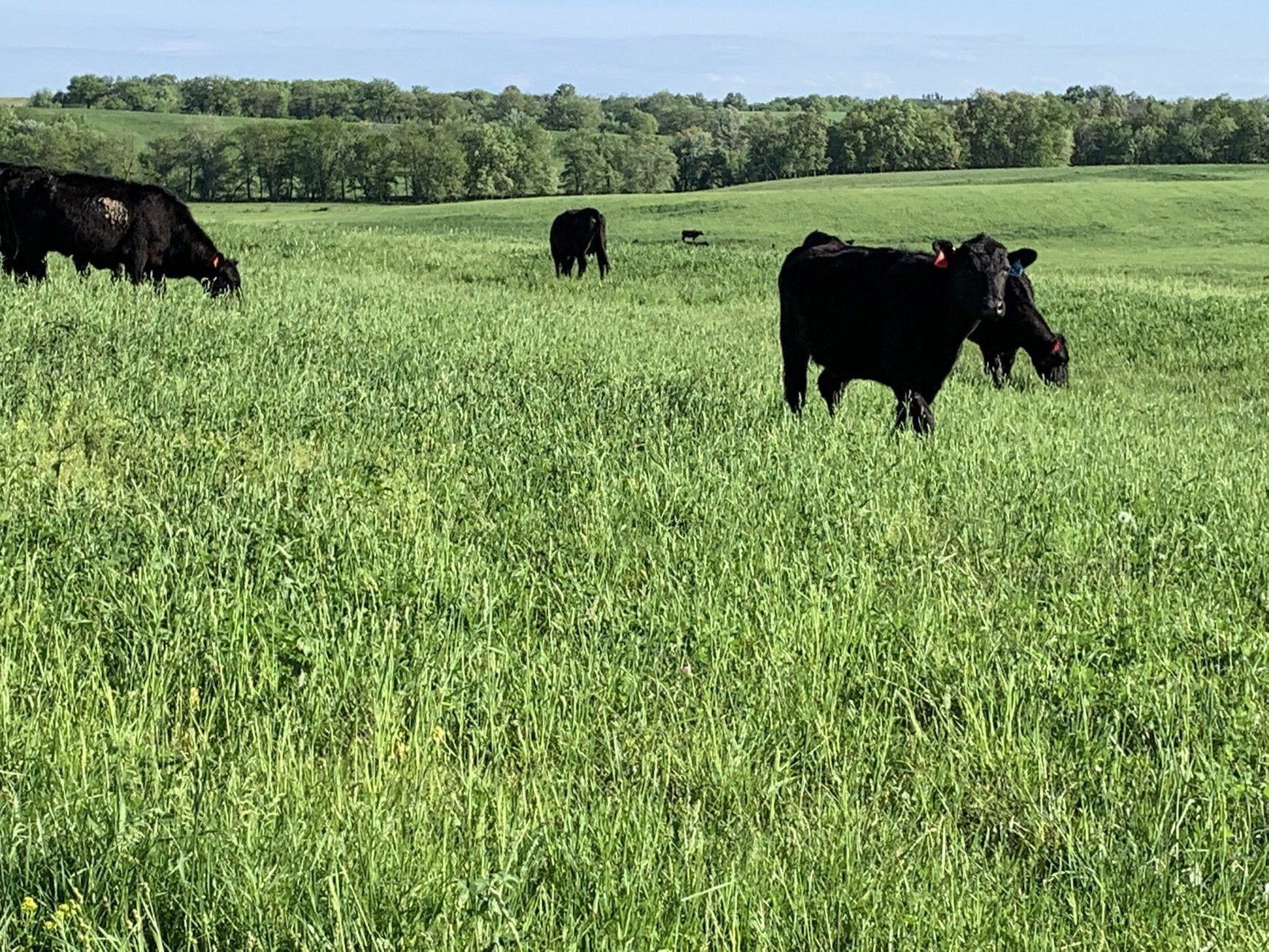
No-Till Farming- We use a no-till drill to plant new crops right into the residue of the last one, protecting soil structure and those hardworking microorganisms underground.

Rotational Grazing - Our Black Angus cattle move through pastures regularly. They graze and fertilize. We're working toward "mob grazing"—mimicking the way buffalo moved across the Great Plains for thousands of years.

These practices build soil instead of mining it. They create beef that's more nutrient-dense because it comes from richer ground. And now, the USDA is putting $700 million behind helping more farmers do exactly this.
Why This Gives Me Hope
For years, we've watched good farmers want to do the right thing but get buried in red tape or worn down by a system that didn't value what they were trying to build.
The Regenerative Pilot Program changes that. One application instead of ten. Whole-farm planning instead of fragmented bureaucracy. Real support for practices that actually work.
This isn't just validation—it's transformation. Young producers won't have to fight as hard as Christian did when he moved back to the farm. New farmers can start with regenerative practices. Families can transition to soil-building methods with actual financial support.
And with more regenerative farming, we all get access to better food. The beef in grocery stores and on dinner tables becomes more nutrient-dense, raised on healthier soil. The cycle strengthens.
The Connection We've Been Missing
The new Dietary Guidelines say: "Better health begins on your plate—not in your medicine cabinet."
I'd take it one step further. Better health begins in the soil.
When we talk about chronic disease in America, we can't ignore where our food comes from. The nutrients in beef trace back to the ground it came from. The flavor, the tenderness, the marbling—it all connects to soil health.
The new food pyramid recognizes that real food matters. The Regenerative Pilot Program recognizes that real soil matters. And out here at Parsons Creek, we've always known both are true.
What Comes Next
I keep thinking about my daughter running around the farm in boots three sizes too big. She's inheriting not just land, but soil that's been tended, loved, and cared for.

That's the promise of regenerative agriculture.
The new Dietary Guidelines told Americans to eat real food. The Regenerative Pilot Program is making sure farmers can grow it. And families like ours—who've been doing this work quietly for decades—now have support to keep going and expand.
Papa always says, "You work for the land, and if you do it right, the land provides."
The food pyramid starts at the top with protein and healthy fats. But we know the truth—it really starts in the dirt. In the soil we build, the practices we follow, the stewardship we choose.
From our farm to your table, we're hopeful. Hopeful for the soil we're healing. Hopeful for the farmers getting support. Hopeful for the families choosing real food. Hopeful for the future we're building together, one regenerative practice at a time.
Want to learn more about the USDA Regenerative Pilot Program? Visit nrcs.usda.gov/programs-initiatives/regenerative-pilot-program
Ready to taste what healthy soil can do? Shop Parsons Creek Steak and support regenerative agriculture with every meal.